


Application: Soldering
Industry: Aerospace & Defense
Application Objectives:
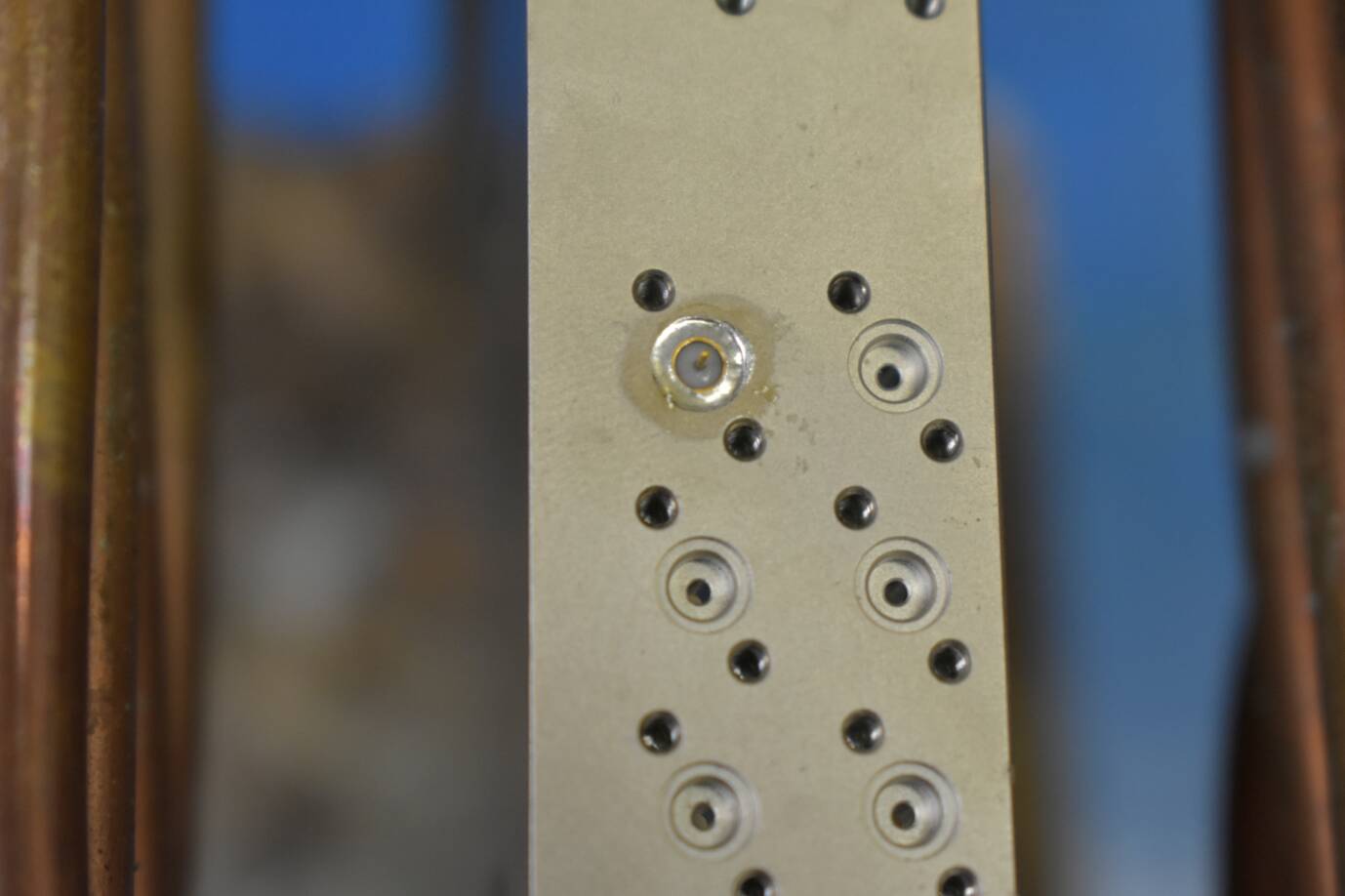
The customer’s goals were twofold. First, they wanted UltraFlex Power Technologies to determine if induction heating could effectively solder a single-pin hermetic feedthrough and also a 25-pin header connector into an aluminum chassis without affecting neighboring feedthrough assemblies, and to decide between localized heating vs. area (broad) heating for best results
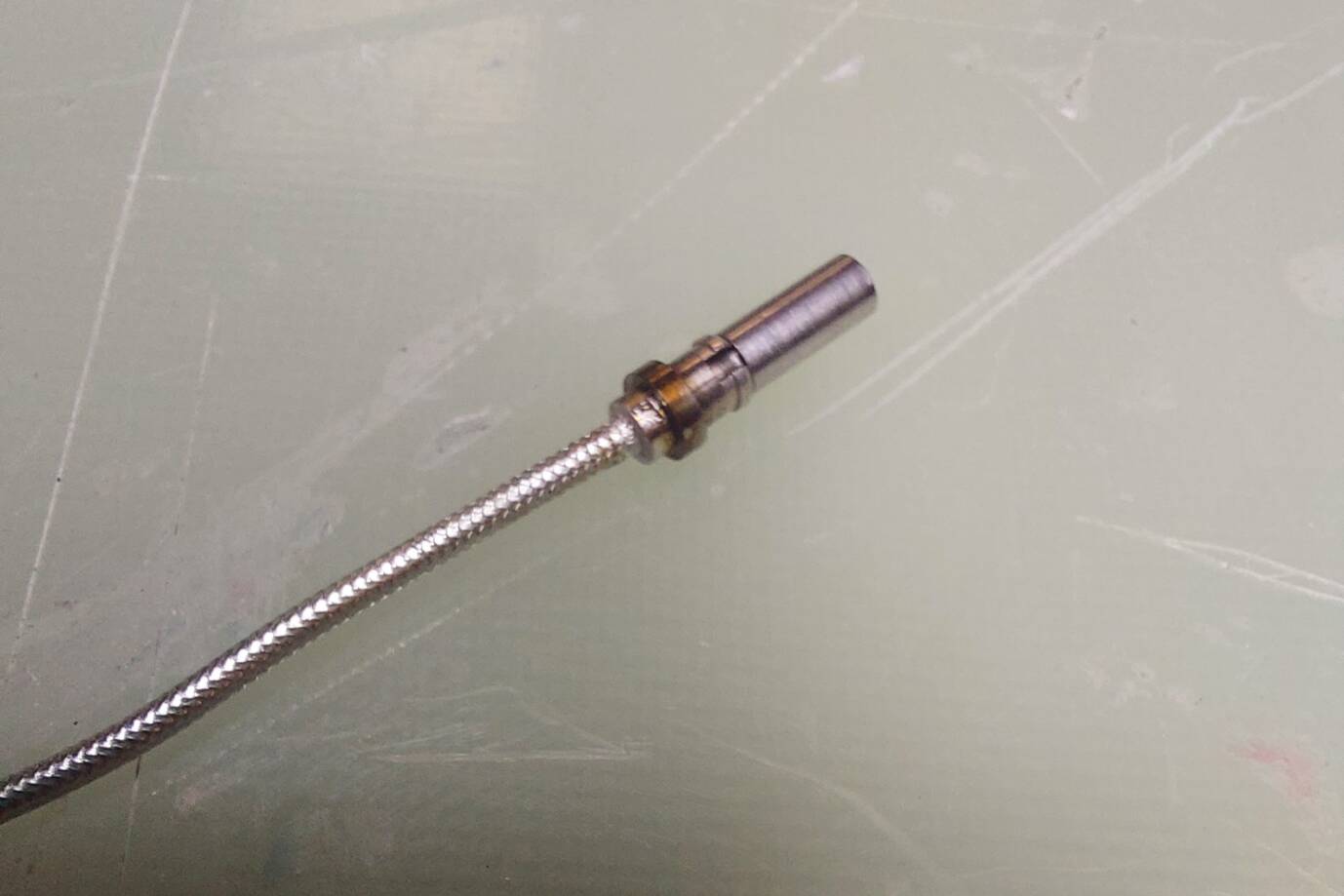
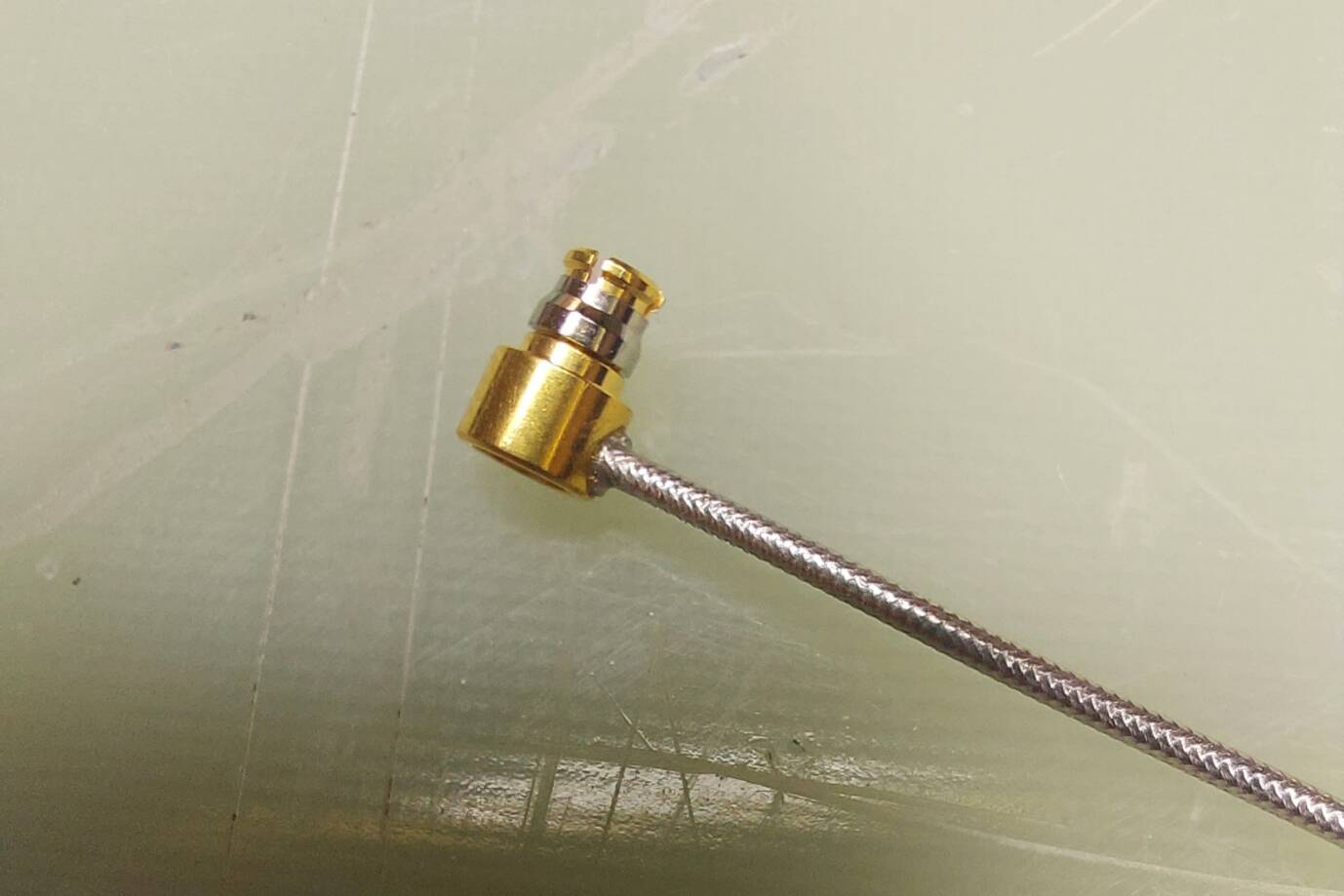
Then they wanted us to confirm the feasibility of induction soldering RF coaxial connectors to coax cables and identify a suitable fixture or jig to hold the cable during the soldering process.
In both cases, the solder alloy would be either Sn63 (melting at ~183 °C) or Sn96 (melting at ~217 °C), and the heating time above the melting point needed to remain under 60 seconds. Precise induction soldering of hermetic feedthroughs and multi-pin connectors into a chassis, and RF coaxial connectors onto semi-rigid coaxial cables, as a replacement for traditional soldering methods.
The challenge:
This application presented a precision heating challenge. The solder joints had to be heated to ~183–217 °C (depending on alloy) quick, yet very localized, to avoid damage to sensitive surrounding components and insulation.
UltraFlex had to demonstrate that induction heating could deliver focused, controllable energy to melt the Sn63/Sn96 solder within the strict <60 s process time, while maintaining joint integrity. Achieving consistent results without overheating adjacent feedthroughs or cable dielectric requires careful control of the induction coil design and heating profile.
Equipment:
- Power Supplies: UltraFlex SMT-2/200 (2 kW, 200 kHz) and SMT-5/200 (5 kW, 200 kHz)
- Heat Station: UltraFlex HS-4W remote heat station
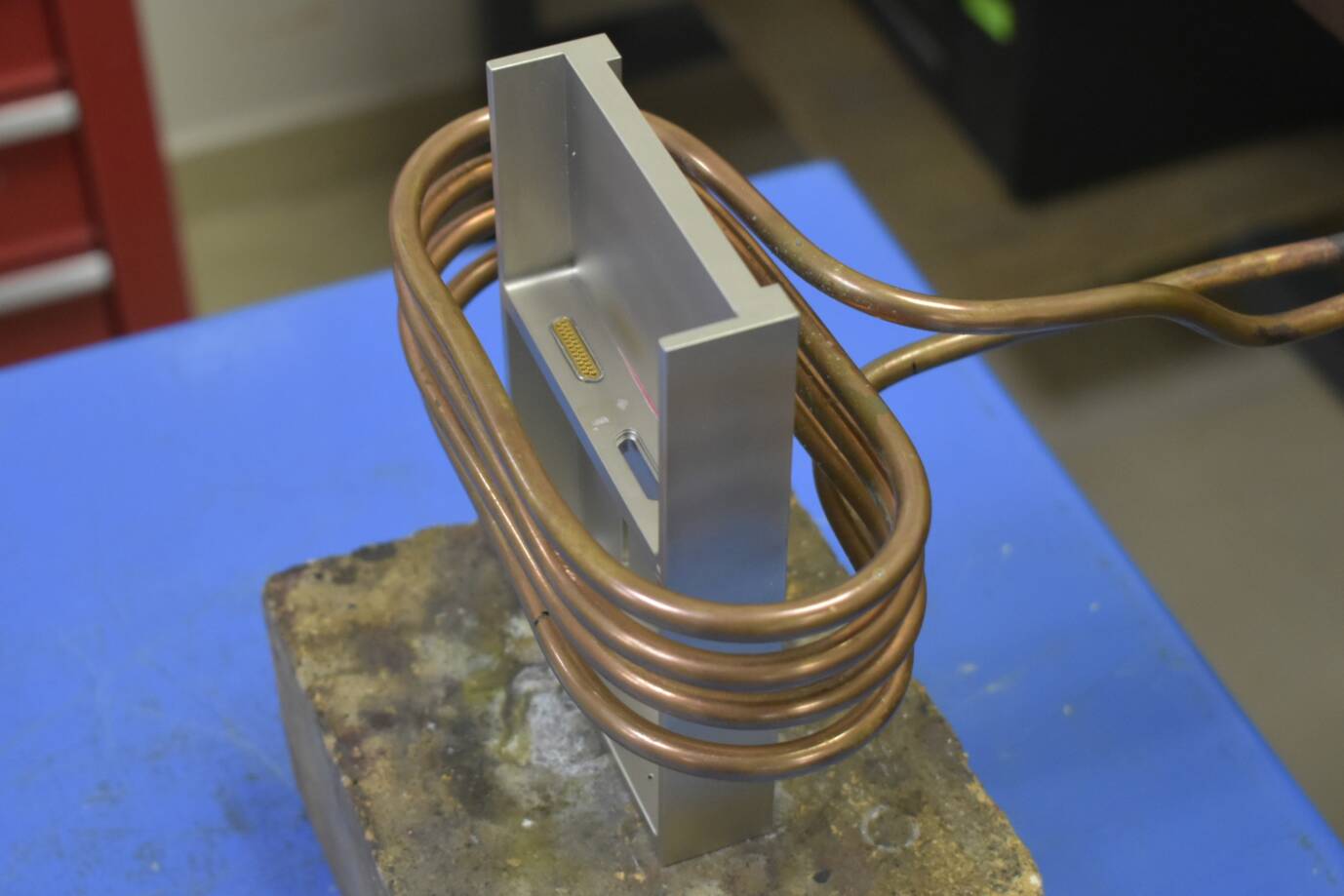
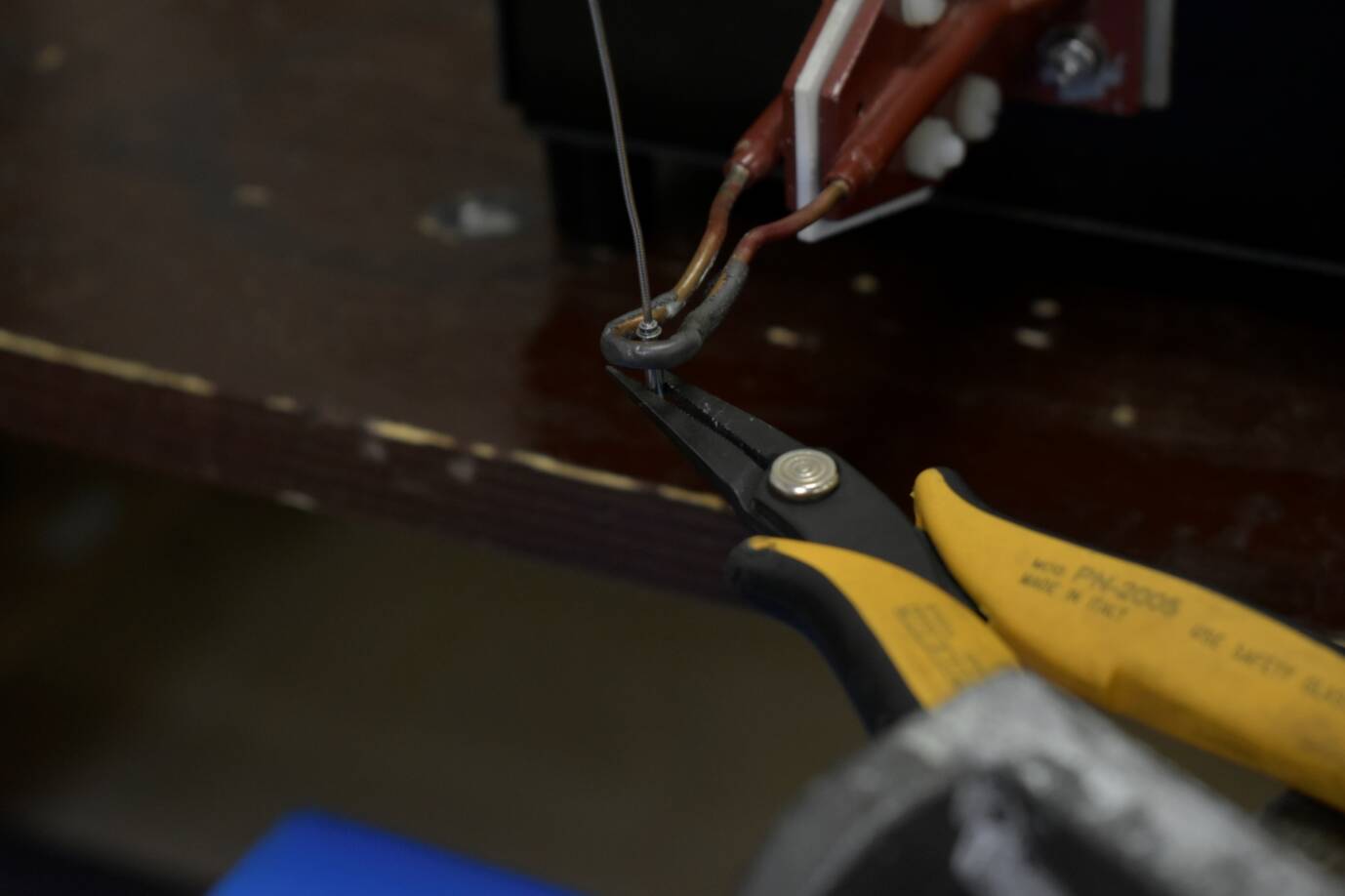
- Inductors (Coils): Lab elliptical coil and a U-shaped hairpin coil for localized heating
- Temperature Monitoring: Thermal paste indicator (evaporation at ~149 °C) and infrared thermometer (for solder melting confirmation) (as noted in test setup)
Materials:
- Sn63 & Sn96 solder alloys
- Semi-rigid coaxial cable
- RF Coax Connectors
- Hermetic feedthroughs (single-pin) and 25-pin connector header
- Aluminum chassis (for mounting feedthroughs/header)
Key Parameters:
- The melting temperature of the solder ca:183°C
- Time above melting temp to be less than 60 sec.
Process:
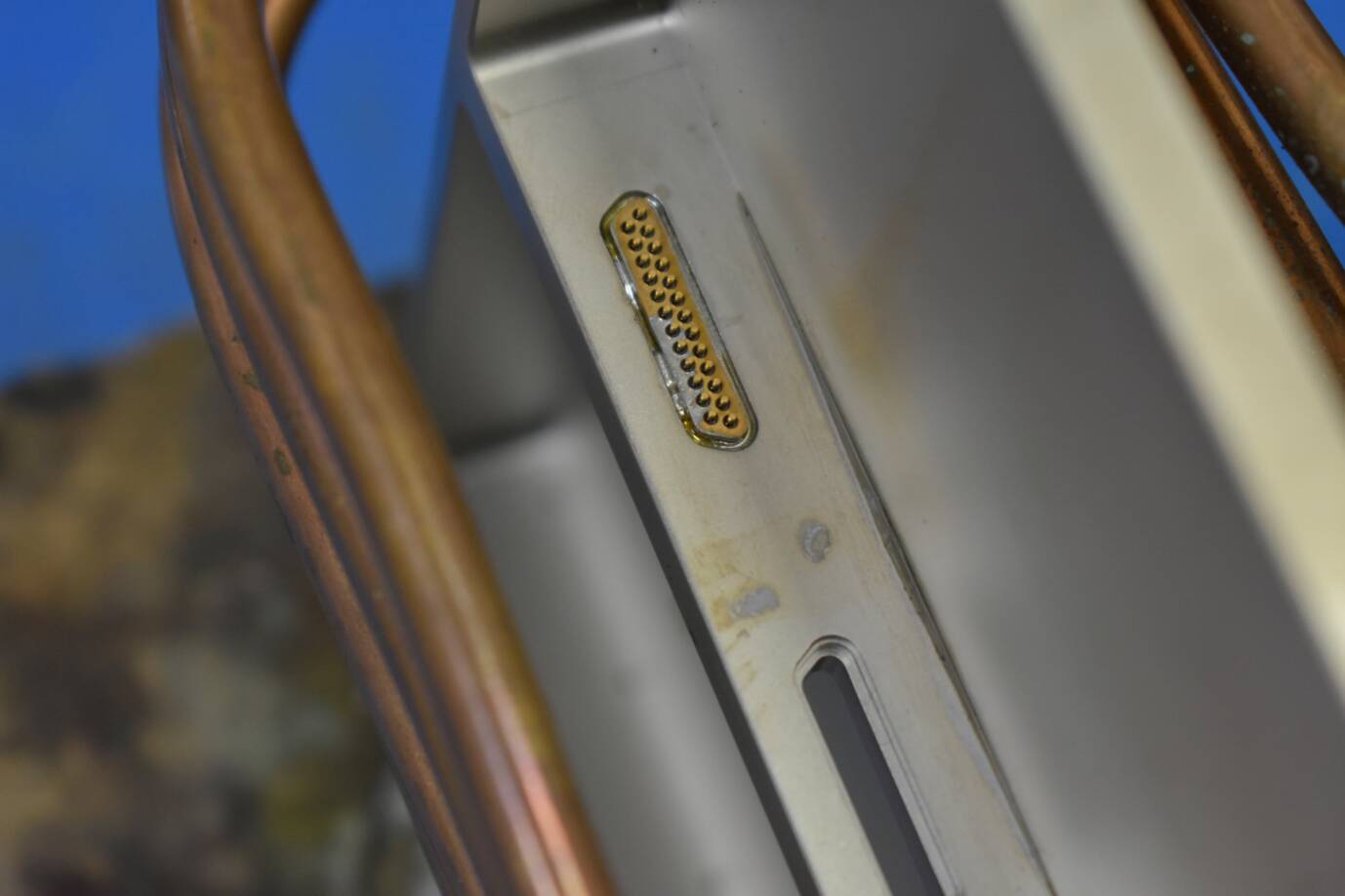
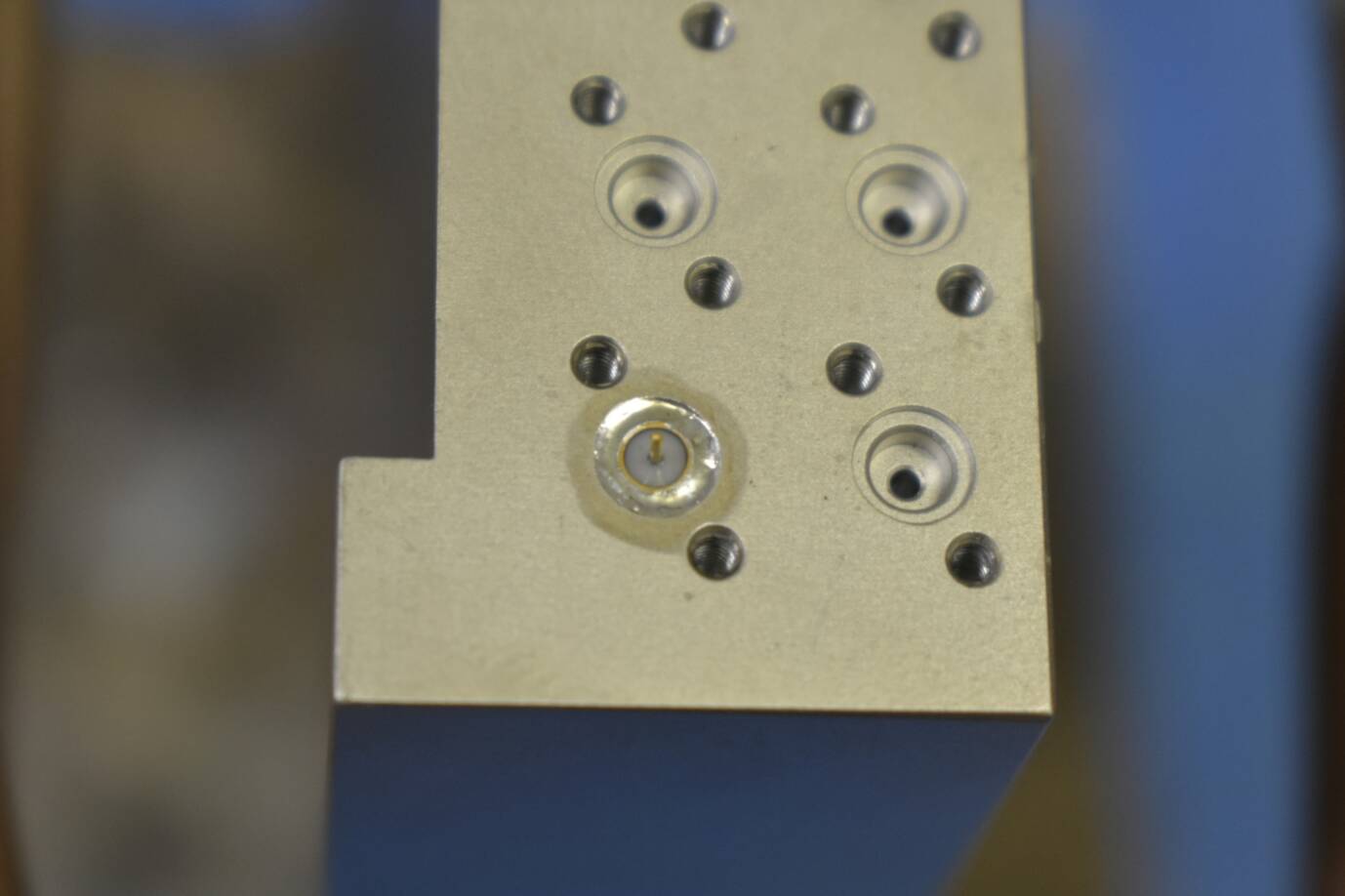
For the 25-pin connector we used a whole-body heating with a larger oval coil encircling the entire connector. This yielded full solder reflow of the header within 60 seconds. For the single-pin feedthrough, the same oval coil approach achieved a successful solder joint.
In the second application (coaxial cable connectors), a U-shaped hairpin coil was used to focus heat on the connector ferrule. This enabled fast soldering of each coax connector in approximately 6 seconds. Throughout the process, careful coil positioning and power control ensured only the target joints were heated above the melt temperature, with no damage to surrounding insulation or components.
Results and Conclusions:
Induction heating achieved reliable soldering for both applications. The oval coil provided uniform area heating for the chassis-mounted 25-pin header and feedthrough, allowing joints to reach ~183–217 °C quickly without overheating adjacent parts. The hairpin coil ensured the small coax connectors were soldered in just a few seconds, creating clean joints with minimal heat spread. Both Sn63 and Sn96 solders reflowed completely within the required time. Based on the successful tests, a 5 kW, ~200 kHz induction system with two custom coils (one for chassis assemblies and one for coax cables) was recommended for production. This solution will ensure consistent, high-quality soldering performance for the customer’s R&D application.
Reference: AR 3464-9118
Subscribe to our YouTube Channel:
Video
